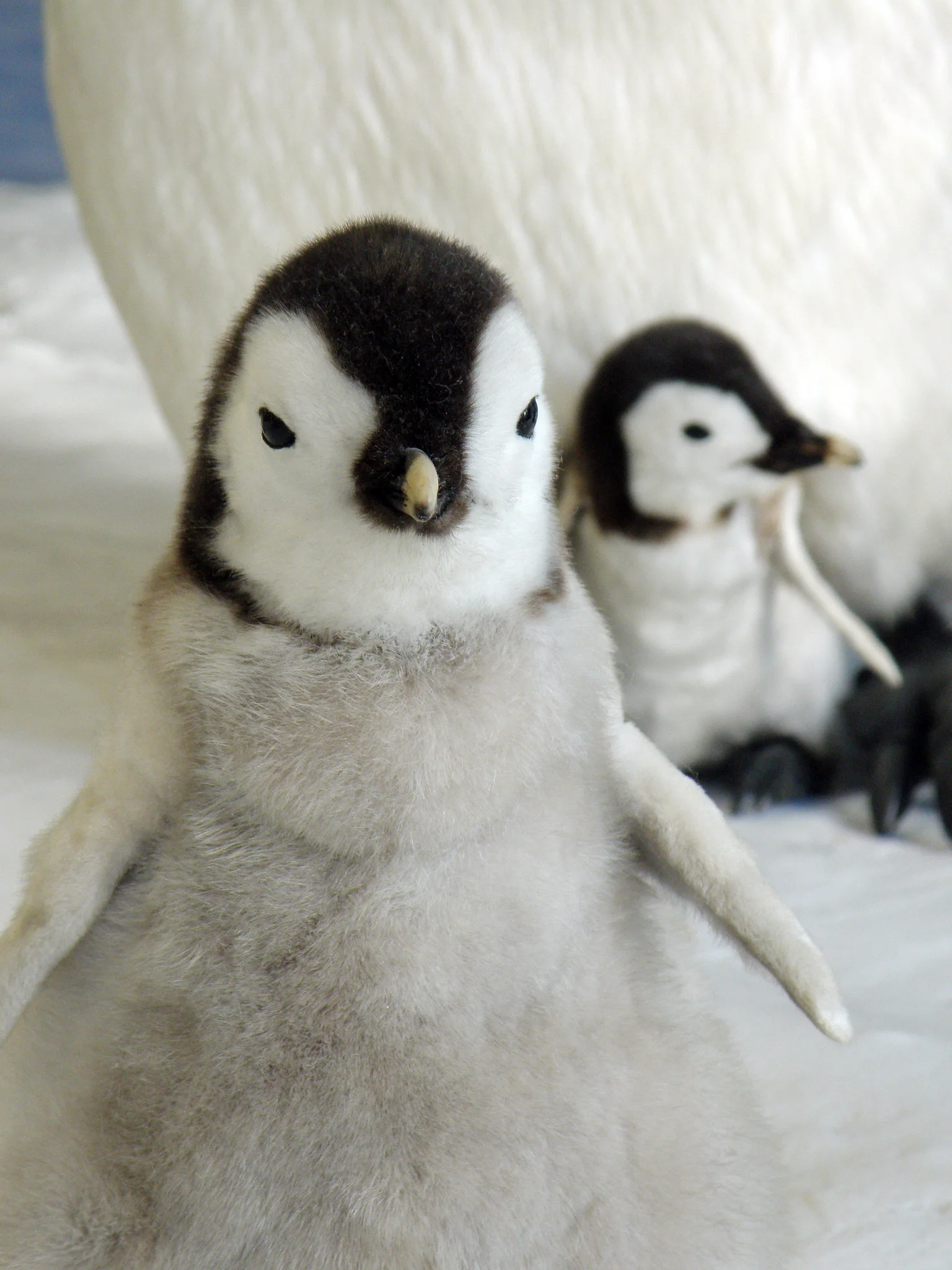
Imagine standing on the ice for two months with an egg balanced on your feet. You cannot eat, and the wind can reach two hundred kilometres an hour. That is how an emperor penguin becomes a father.
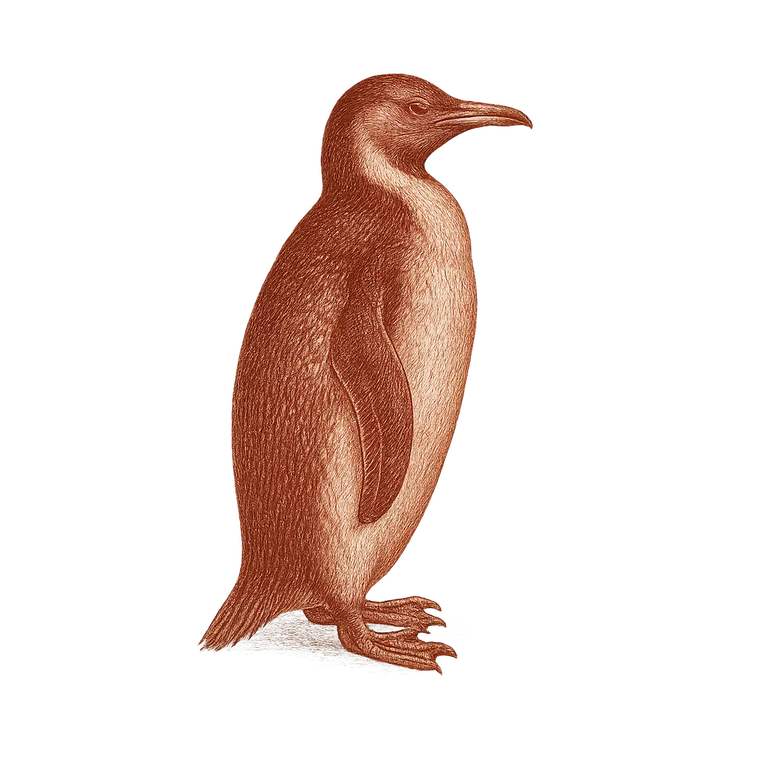
Emperors are the only animals that breed through the Antarctic winter. The female lays one egg and returns to the sea to feed. The male rests the egg on his feet, under a warm fold of skin, and waits. A penguin is a bird, not a mammal. Its wings have become flippers.
The fathers survive by huddling, up to ten birds to a square metre. In the middle of a huddle it can reach twenty-four degrees above zero, even in a blizzard.
Nobody keeps the warm spot for long. Birds on the windy edge shuffle along the sides to the sheltered end, and the whole group slowly rotates. In this way every bird takes its turn in the warm middle and on the cold edge.
An emperor can weigh forty kilos at the start of the season, and by the end the father has lost about twelve. Then the mother returns with food, and he can finally walk to the sea.