On the Icelandic island of Heimaey, children stay out long past bedtime on some late summer nights. The whole town approves. They carry torches and cardboard boxes, and they search under parked cars and behind the bins. They are looking for pufflings, young puffins.
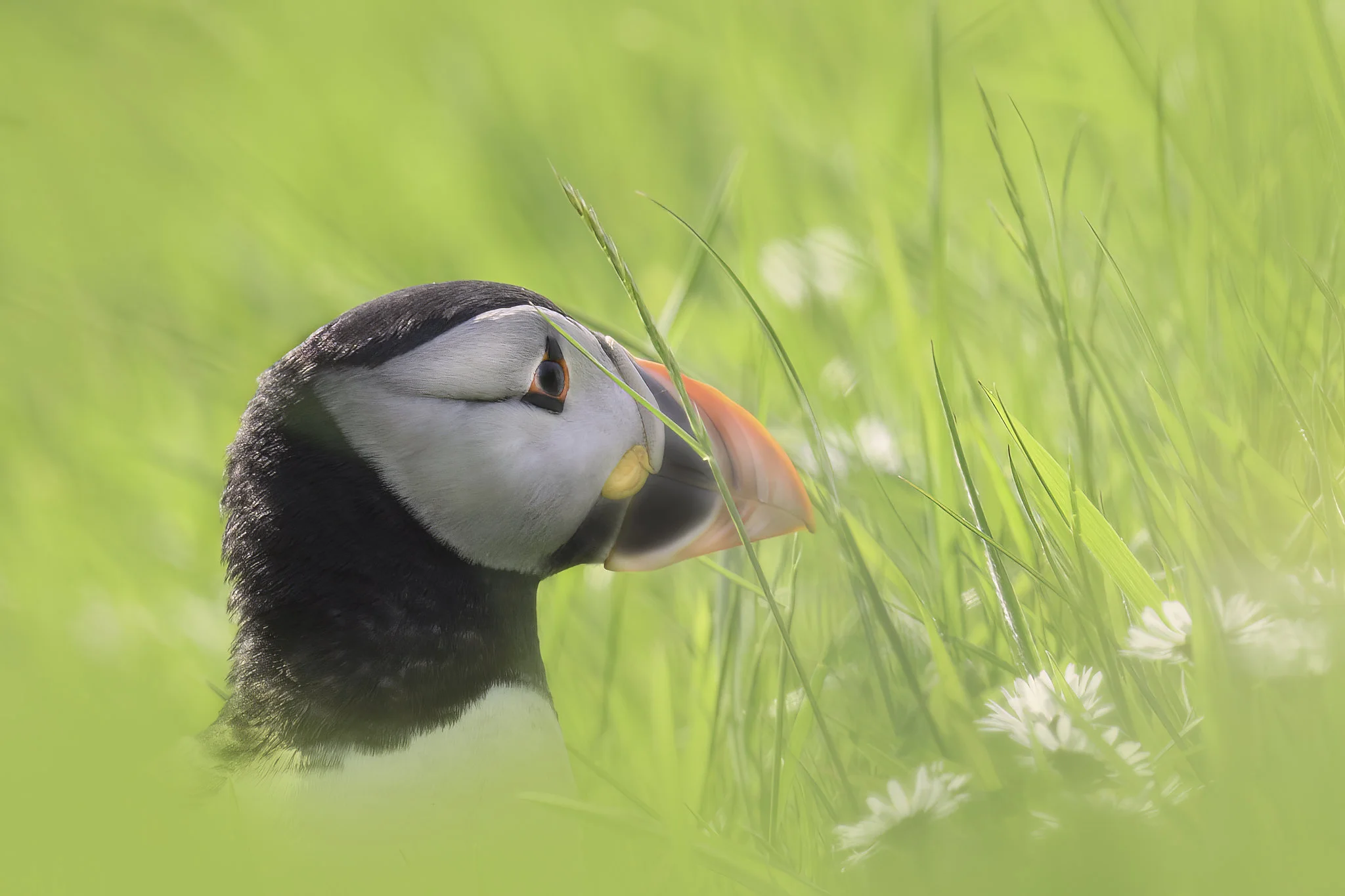
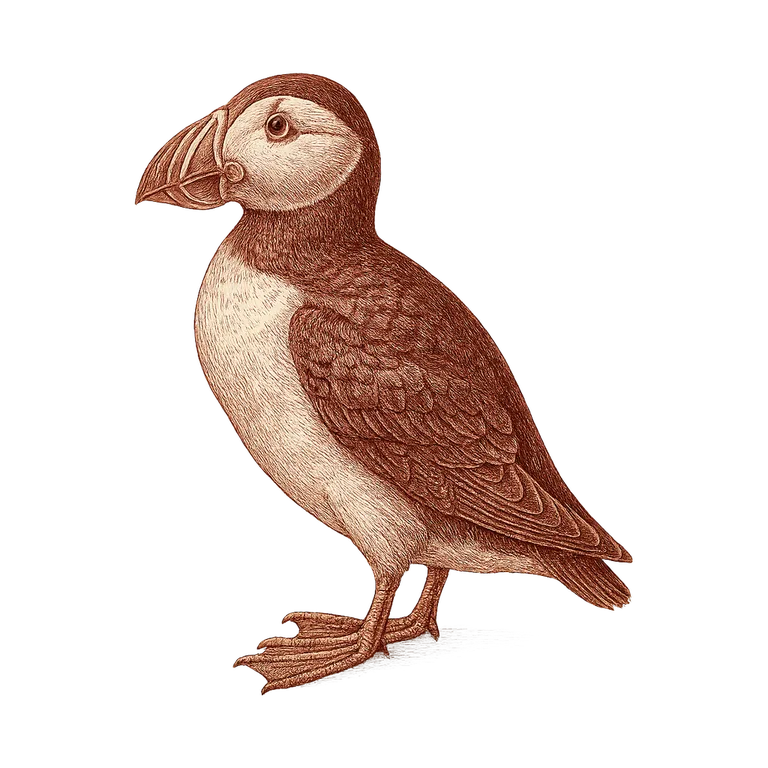
The islands around Heimaey hold the largest colony of Atlantic puffins on Earth, with more than a million burrows. Each puffling leaves its burrow at night and heads for the light of the moon on the sea. A puffin is not a penguin. It can fly, and lives in the north, not the south.
The lights of the town lead some of them astray. They come down in the streets, and a puffling cannot easily take off again from flat ground. So the children pick them up. One man remembers finding a hundred in a single night.
Next day each bird is weighed and its wing is measured. Then the children carry their boxes to a sea cliff and toss the birds into the air. The puffling may not touch land again for three years.
Nobody knows quite when it began. It was probably soon after electric light came to the island, about a century ago.