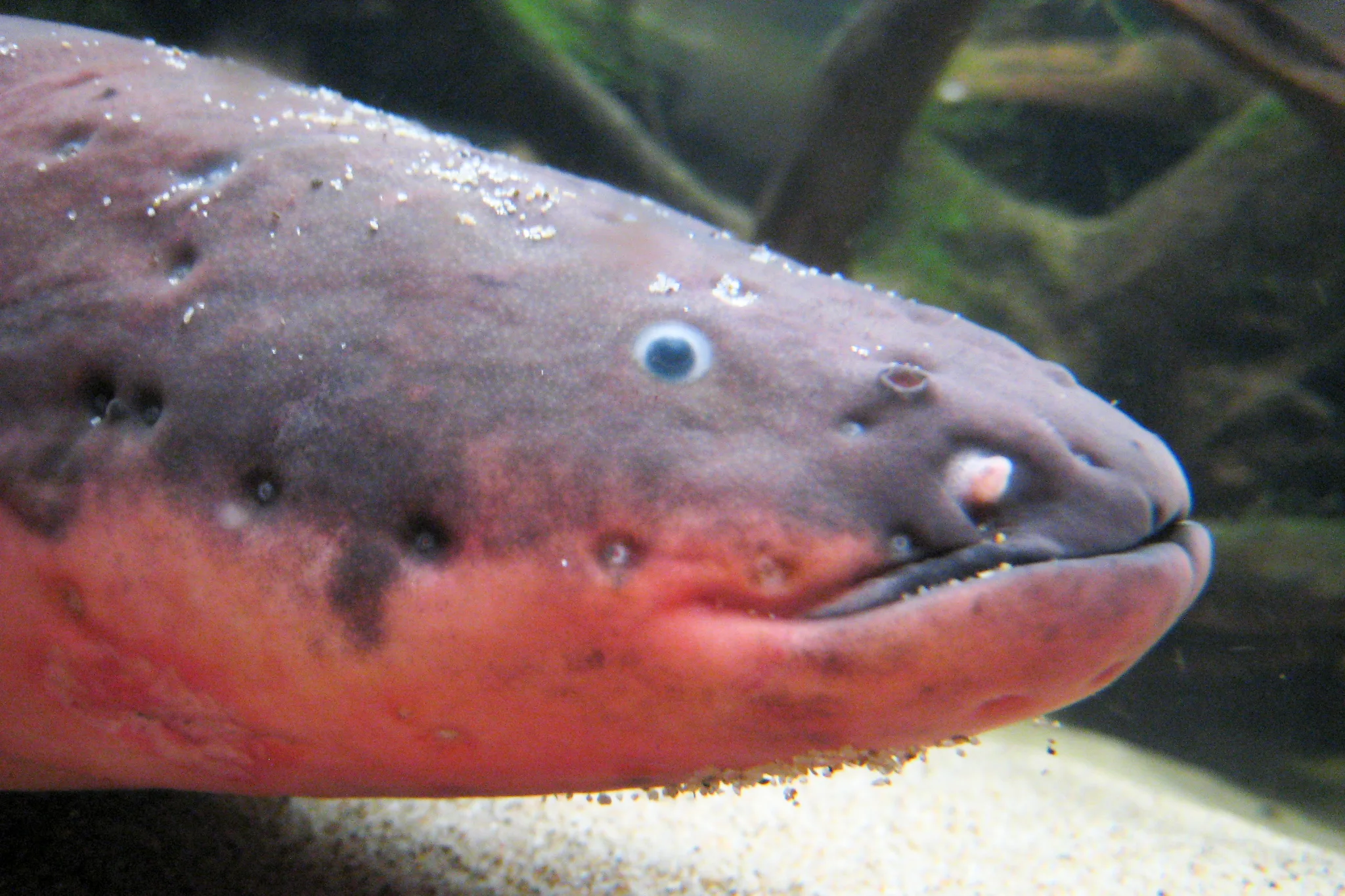
In 1800 the explorer Alexander von Humboldt wanted to study electric eels in South America. The local fishermen he hired caught them a strange way. They drove about thirty horses and mules into a muddy pool.
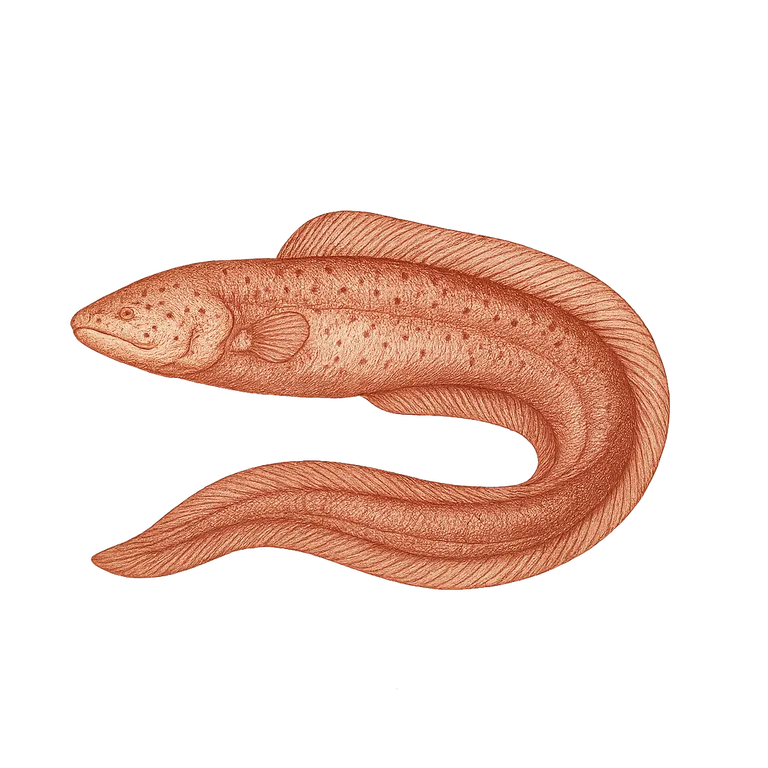
The eels rose up and pressed against the horses, shocking them again and again. Two horses drowned. Once the eels had used up their power, the men collected five of them safely. An electric eel is not a true eel. It is a knifefish, closer to catfish and carp.
Humboldt wrote it all down. For two hundred years, few scientists believed him, because nobody had seen eels attack like that again.
Then in 2016 a scientist named Kenneth Catania was moving eels with a metal-rimmed net. The eels attacked it, leaping out of the water and pressing their chins against the handle. The higher they climbed, the stronger the shock.
It makes sense. In the dry season an eel can be trapped in a shrinking pool. A shock sent into the water spreads out and weakens. Pressed straight against an enemy, it hits with full force. Humboldt had been telling the truth.