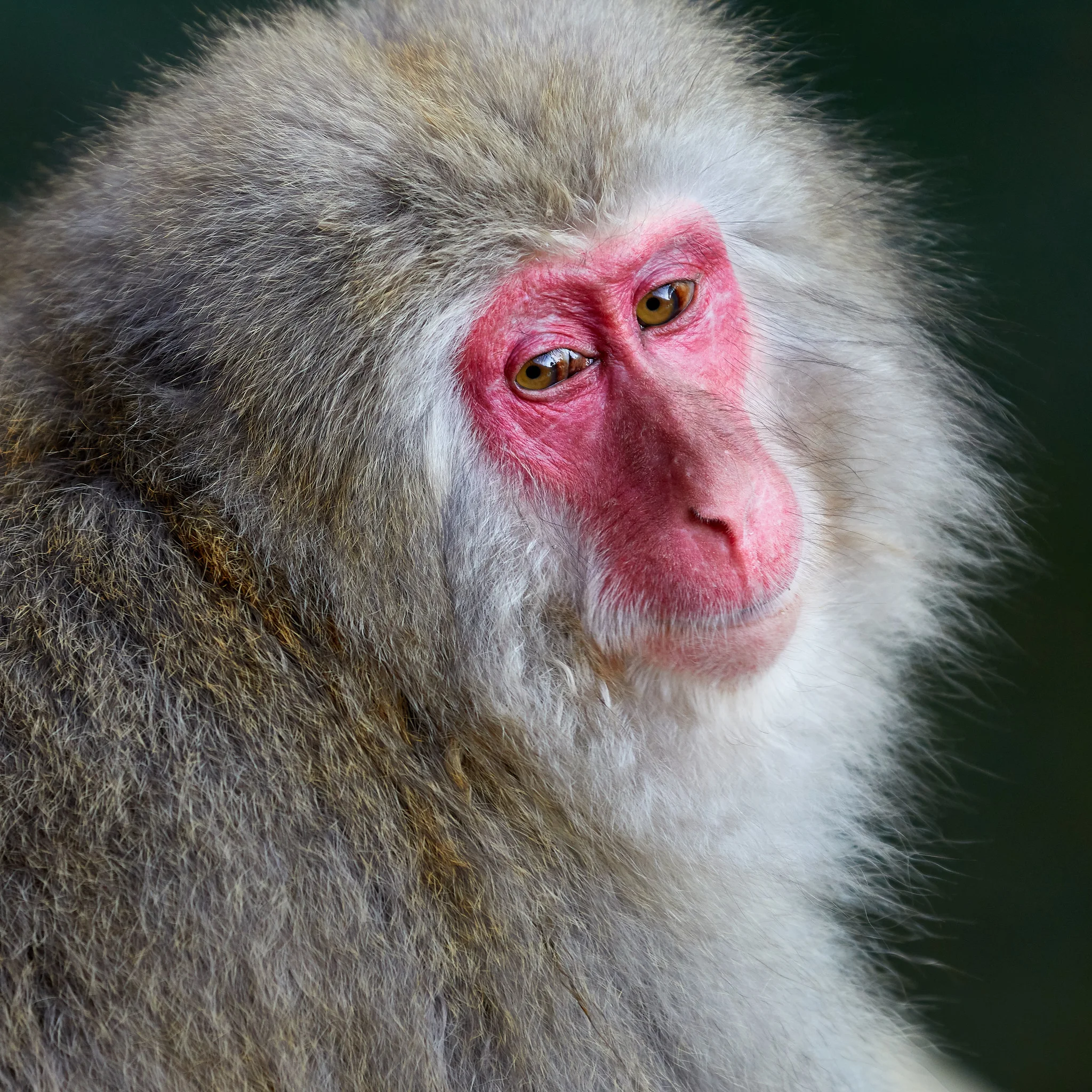
On the Japanese island of Koshima in the 1950s, scientists left sweet potatoes on the beach for a troop of macaques. The potatoes were sandy, and the monkeys brushed the sand off with their hands.
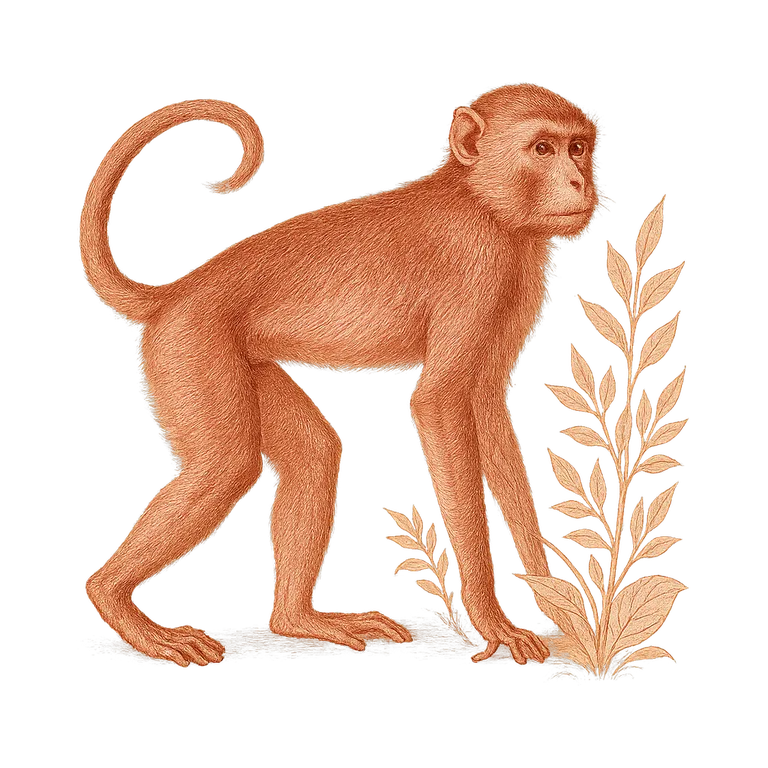
Then a young female called Imo began washing hers in a stream. Soon others copied her. Later she started dipping her potato in the sea, which washed it and salted it at the same time. A macaque is not a baboon, though both are Old World monkeys.
The habit spread through the troop and was passed down to the young. In time nearly every monkey did it, except some of the oldest.
Imo had another idea. She threw handfuls of wheat mixed with sand into the water. The sand sank and the grain floated, so she could scoop it up clean. The troop learned that too.
No monkey lives further north than the Japanese macaque. It survives temperatures of twenty degrees below zero. In some places it warms itself in hot springs, and it rolls snowballs, apparently for fun.